
Single-speed pump control without a new pump.
A single-speed pump is either on or off. Clyr switches it through a relay, runs it on a schedule and ties run time to your water readings. You keep the pump you have.
The basics
What is a single-speed pump?
A single-speed pump runs at one speed, full power. Variable-speed pumps can slow down to save energy. A single-speed pump can only turn on or off, so automating it comes down to a relay that switches the power.
On or off.
There’s no speed control. Give it power and it runs flat out, so all we need is a way to switch that power.
A relay does the switching.
A relay is an electrically operated switch. Clyr sends it a small signal and the relay switches the high-voltage power to your pump.
Clyr runs the schedule.
Once it’s wired, Clyr handles the daily schedule, responds to what the water needs and lets you run the pump from the app.
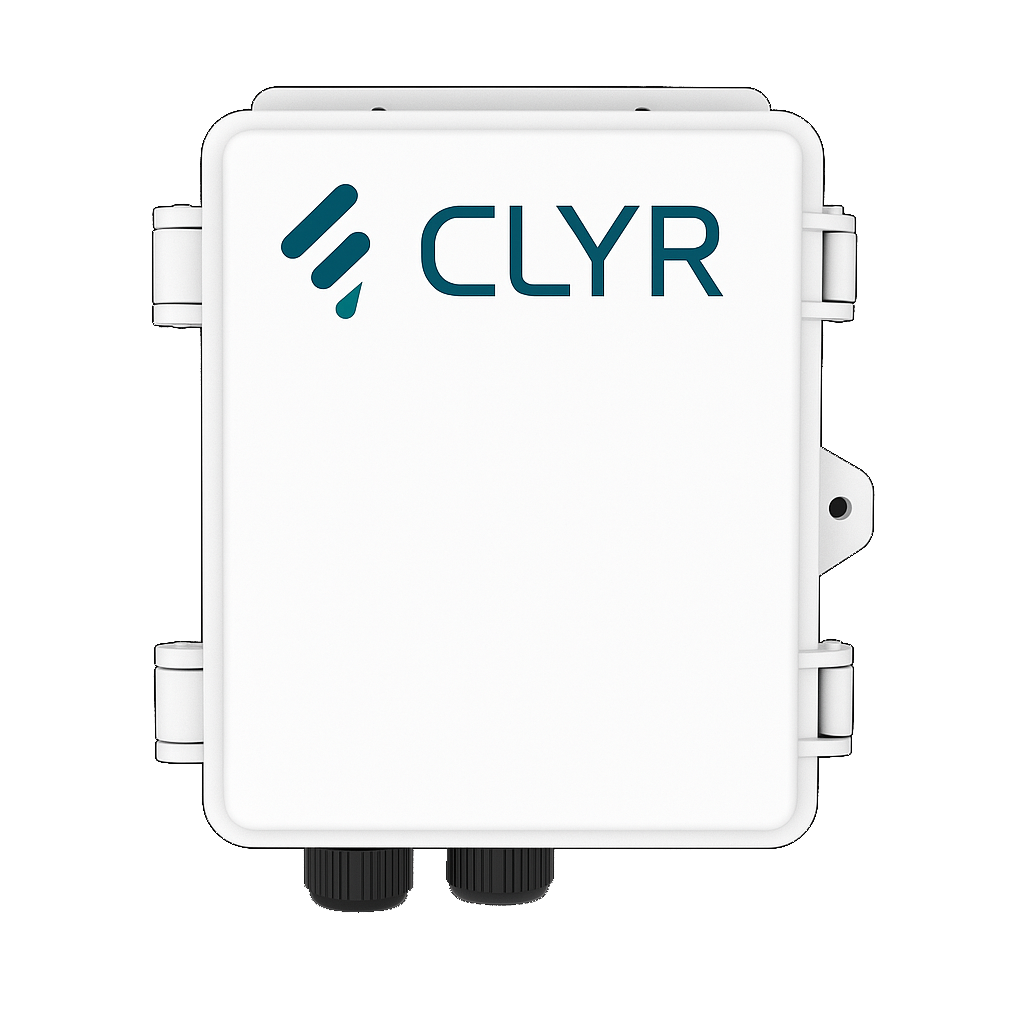
Clyr Nano with a separate relay cabinet.
Nano stays low voltage, with nothing over 24 V inside. Its AUX port sends a low-voltage signal to a relay in a separate cabinet, and that relay switches the pump.
Important: NEC compliance required
High-voltage relays must be installed in a separate UL-listed enclosure that meets National Electrical Code (NEC) requirements. Have a licensed electrician do this work.
8 ft jumper cables included to connect Nano to your relay cabinet
UL-listed cabinet for weather resistance and code compliance
Licensed electrician for the high-voltage side
Works with existing wiring so there’s no new circuit to run to the pump
Installation diagram
How relay control works
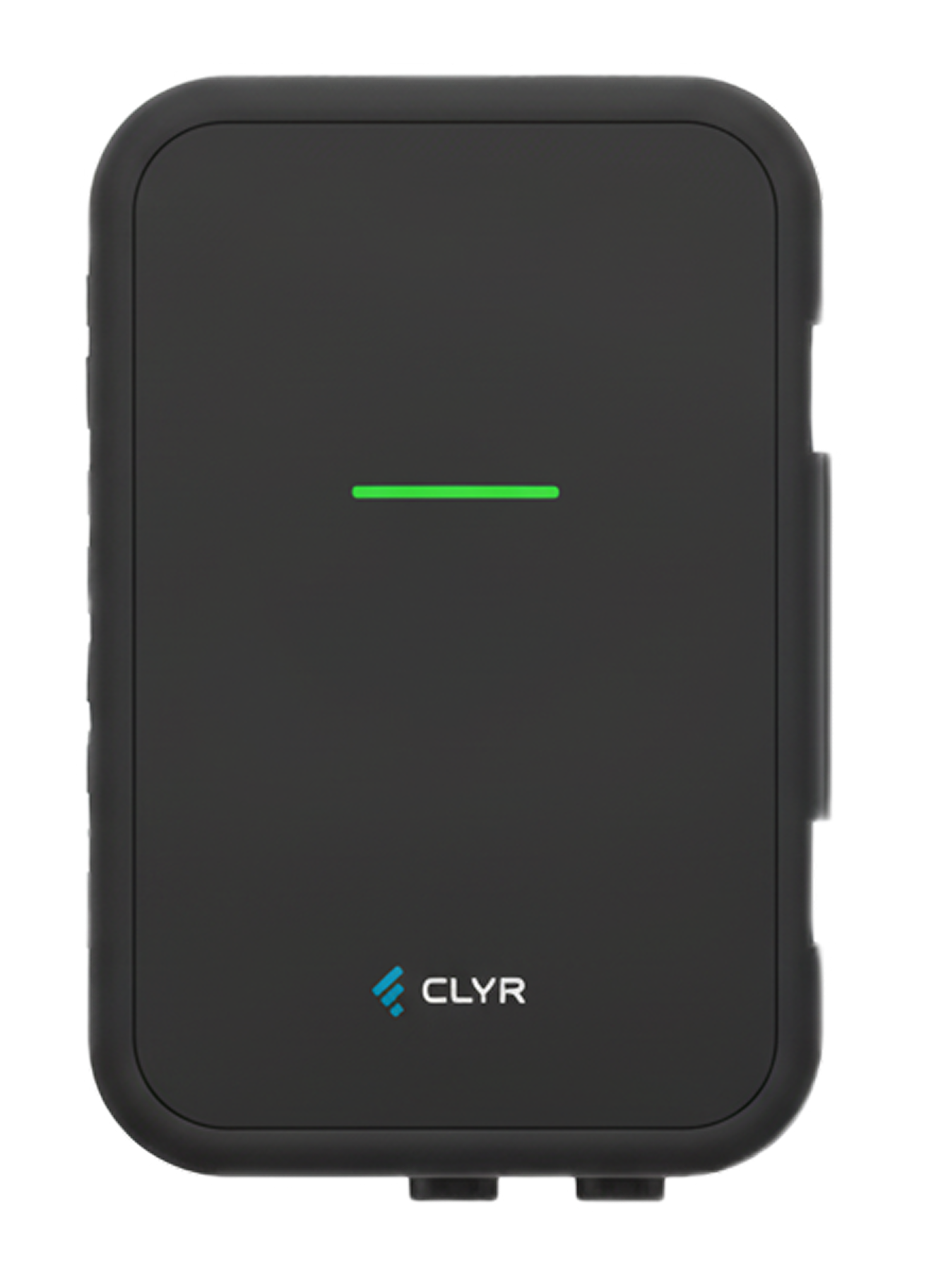
Clyr+ with relays built in.
Clyr+ puts three high-voltage relays inside a 120/240 V cabinet. You skip the separate relay cabinet and wire the pump to Clyr+.
One cabinet
Relays, valve power and a touchscreen all live in one cabinet. That’s a cleaner install with fewer parts and less to maintain.
No separate relay cabinet because the relays are inside Clyr+
Dedicated circuit with branch-circuit protection and a disconnect from your installer
Less to install since pump power wires straight to Clyr+
Three relay outputs for the pump, lights and accessories
Side by side
Which one fits your pad?
Clyr Nano
+ separate relay cabinet
Clyr+
Built-in relays
Why automate your pump
A simple pump on a better schedule.
Daily schedules
Set the run times once and Clyr handles the rest. Nobody has to remember to turn the pump on or off.
Run time tied to chemistry
With probes installed, Clyr can run the pump longer when the water needs more circulation.
Remote on/off
Turn the pump on or off from the Clyr app, wherever you are. Handy on vacation or when the weather turns.
Run-hour tracking
See how many hours your pump ran each day, week and month.
Freeze protection
Clyr can run the pump during cold snaps to help prevent pipe damage.
Keep your pump
No new pump needed. A relay switches the one on your pad. Check your equipment profile in the Clyr app before you commission.
Put your single-speed pump on Clyr.
Pick Nano with a separate relay cabinet or Clyr+ with the relays built in. Both use the same app and run the pump alongside the rest of your pad.